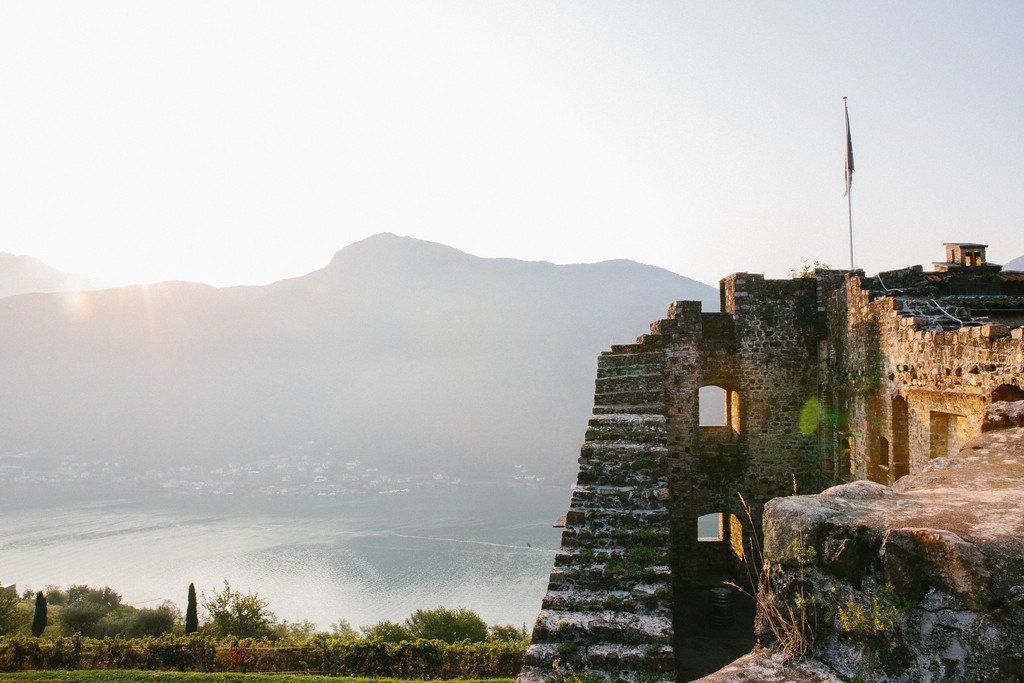
The Romans build a watchtower at the tip of the promontory where the Castle of Morcote stands today. Such towers were part of the Roman defence system along the Alpine range.
The Romans introduce vine cultivation into Ticino.
In approximately 1100, during the wars between Como and Milan for regional predominance, a fortress is built on the ruins of the Roman tower.
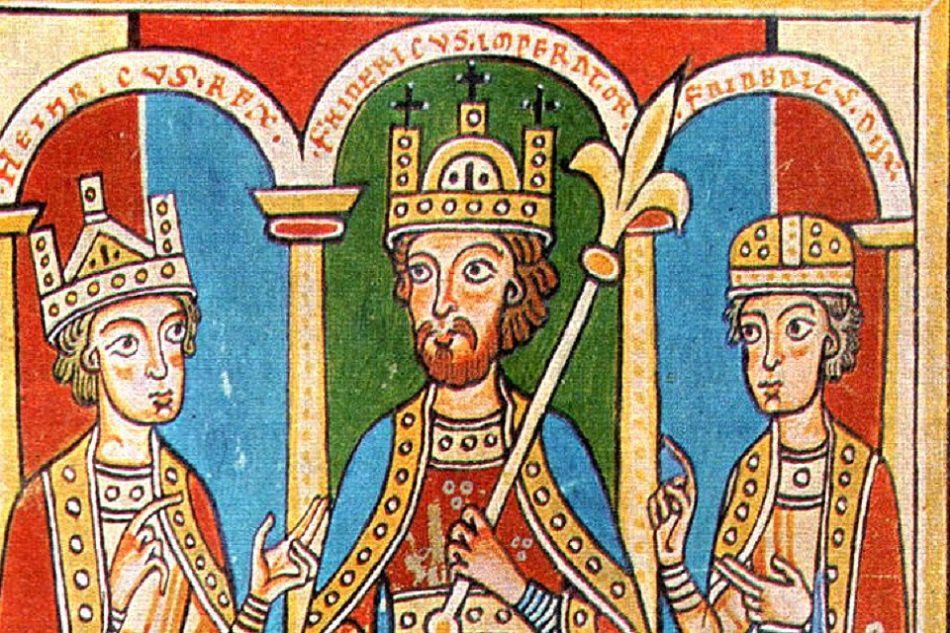
It is said that Frederick Barbarossa, Emperor of the Holy Roman Empire, stayed at Morcote Castle during his travels to Italy.
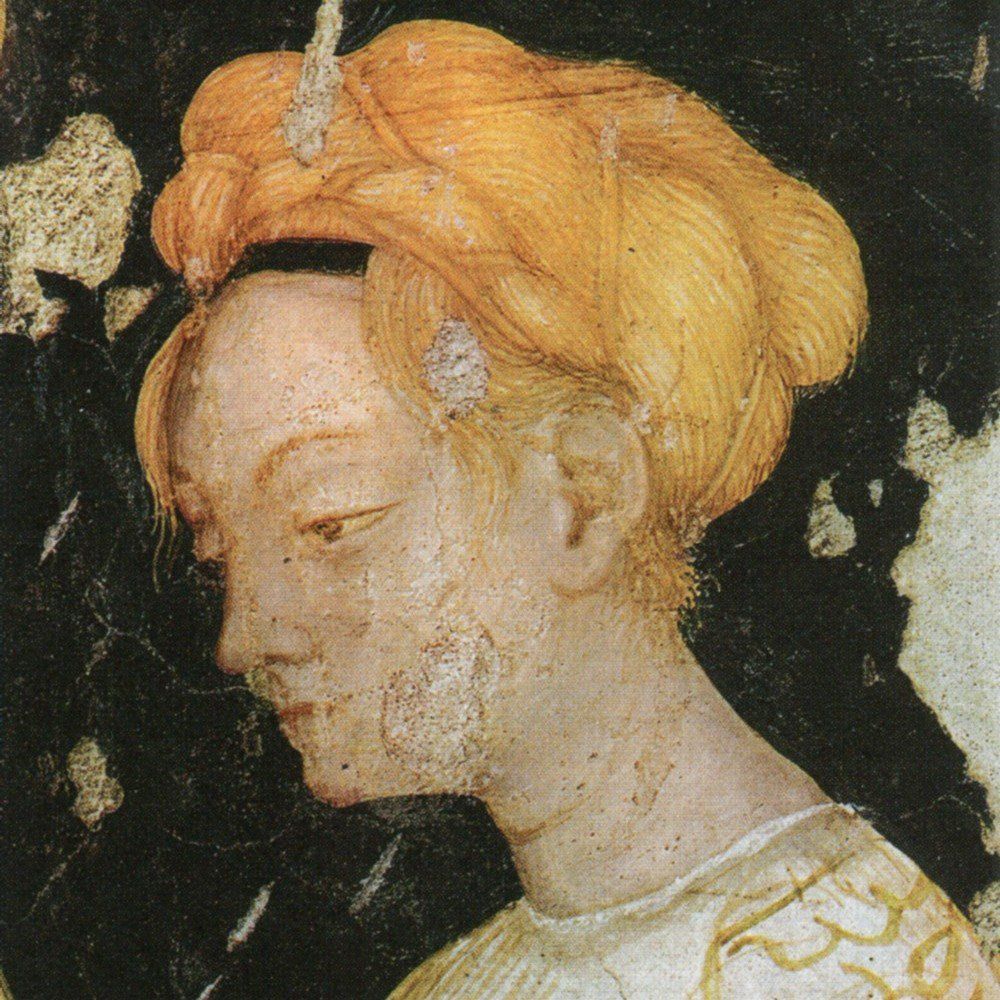
Between 1395 and 1535, during the reign of the houses of Visconti and Sforza, references to the castle are found in numerous documents in the ducal archives.
For over forty years during the 15th century, the castle, serving as one of the region’s main garrisons, is contested in clashes between opposing factions representing the local Rusca and Sanseverino families. Under the orders of the Duchy, several lords of the castle alternately provide for the defence and protection of the fortress.
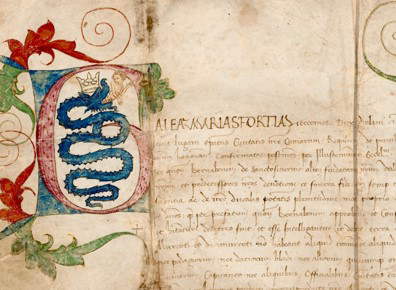
Duke Filippo Maria Visconti grants the first privileges to the inhabitants of Vico Morcote and Morcote, who are exempted from paying duty to the Duchy in recognition of their contribution to the support of the castle and the upkeep of the soldiers.
The castle is described in ducal documents as a 'rock that can be conquered only by great sacrifice of men and money'. When departing the fortress, the lord of the castle is required to leave behind his children and around ten soldiers. Rules are strict: only one soldier at a time may exit the castle, and only two persons at a time are allowed to enter by the drawbridge.
The lord of the castle is required to maintain food and munitions to last at least one year but is permitted to engage in local sales of his goods, such as wine, which was already being produced at that time.
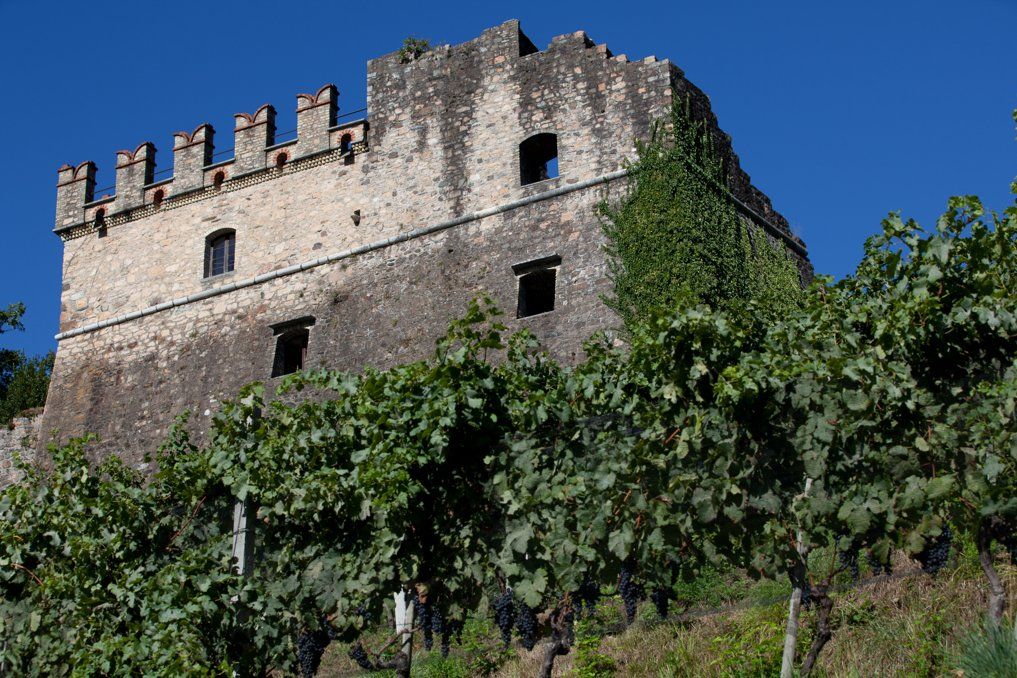
The Castle of Morcote is expanded to its present shape and size during the reign of Bianca Maria Visconti and her husband Francesco Sforza. They regularly take up residence in the castle to pursue hunting. It is said that a tunnel connecting the castle with the lakeside Captain’s Tower, at the core of the Morcote village, was built as a siege escape route for the lord of the castle and his soldiers.
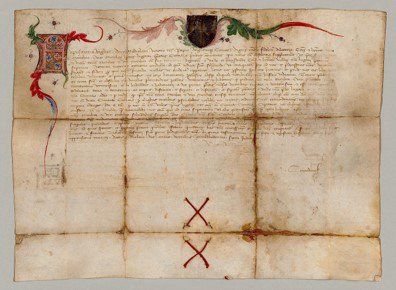
Galeazzo Maria Sforza, eldest son of Bianca Maria Visconti and Francesco Sforza, brother of the famous Ludovico Il Moro, renews the ducal privilege granted to the residents of Vico Morcote and Morcote. The originals of the two ducal parchments of 1413 and 1467, decorated with magnificent miniatures, are held in the archives of the Gianini family.
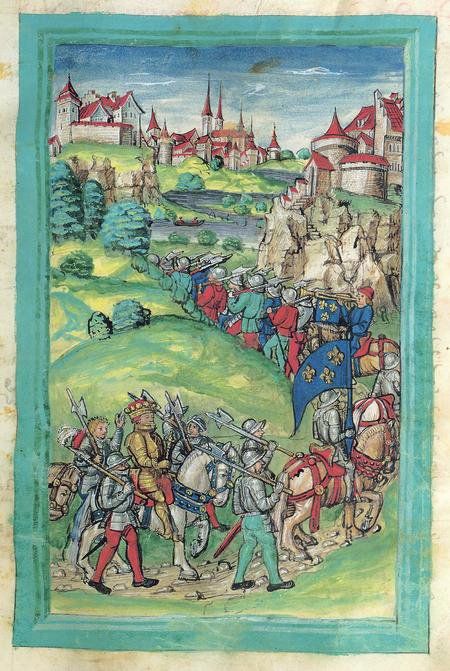
During the Second Italian War, between 1499 and 1504, Morcote Castle is among the areas conquered by the French.
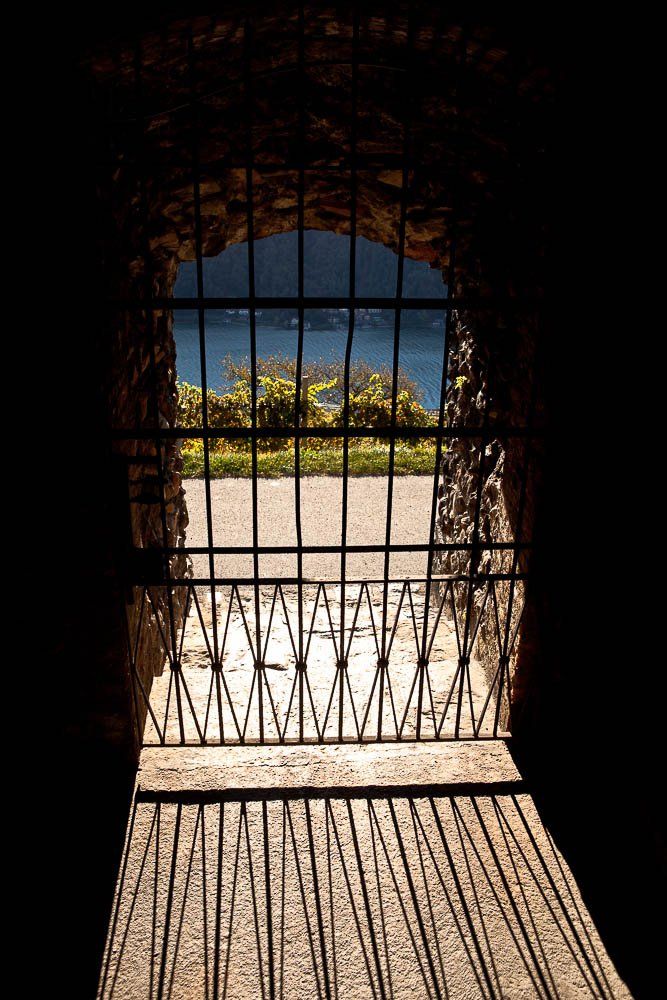
Between 1512 and 1513, the fortress is sacked by the Swiss, who take control of the Sottoceneri lands as part of their efforts to conquer Lombardy. Just two years later, however, the Battle of Marignano halts the advance by the Swiss troops, who fall to the French, marking the end of the Duchy of Milan. The border between Switzerland and Italy is established as we know it today, and Morcote Castle henceforth becomes the property of the Swiss.
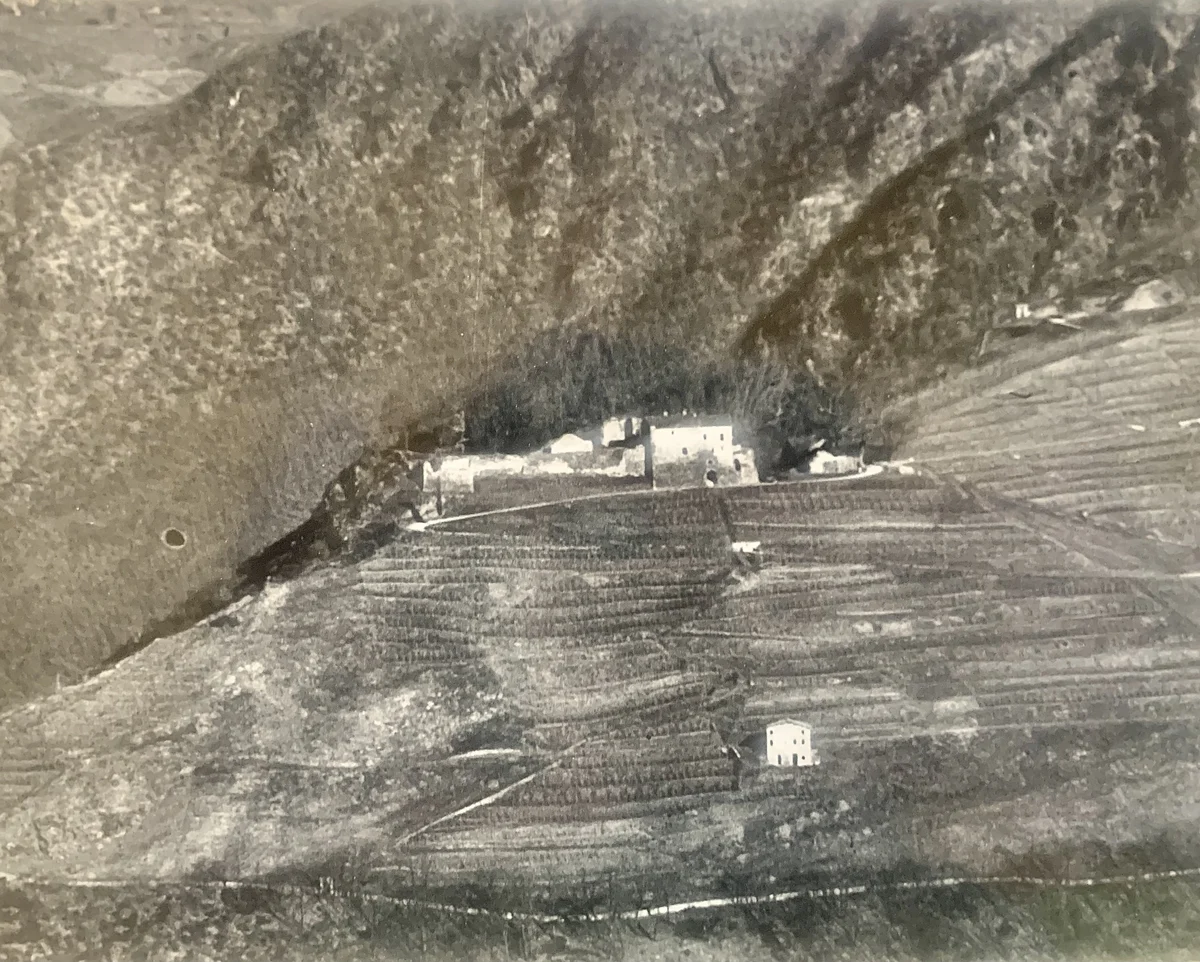
In the military struggle over territorial control of Ticino, Captain Francesco Paleari Fratino abandons the Duke of Milan to take up with a part of the Swiss allied with the French. As a reward for his meritorious service, the Swiss cantons bestow the fortress on Paleari together with its adjacent lands, making him the owner of Morcote Castle.
The Paleari family retains ownership for four centuries, devoting themselves to agriculture and vine cultivation and transforming the ruined castle into a manor.
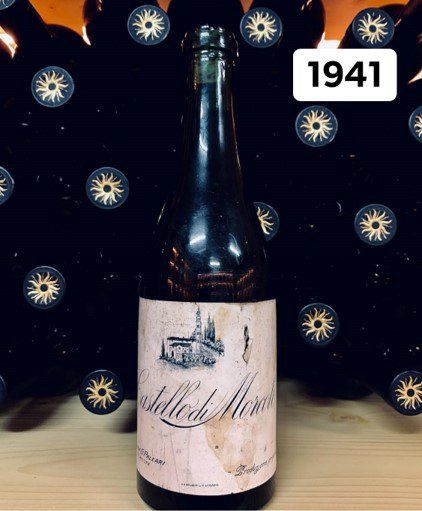
The engineer Giuseppe Paleari, direct descendant of the castle’s last captain and director of the Mezzana Cantonal Institute of Agriculture, is among the promoters of the Merlot grape variety in Ticino. In the early 1900s, he experiments with the introduction of a number of varieties imported from France, including Merlot and Pinot noir, planting these on the narrow, steep terraces surrounding the castle. These initial bottles are thus given the name Castello di Morcote. This extraordinary coincidence links the history of the castle with the development of modern viticulture in Italian-speaking Switzerland.
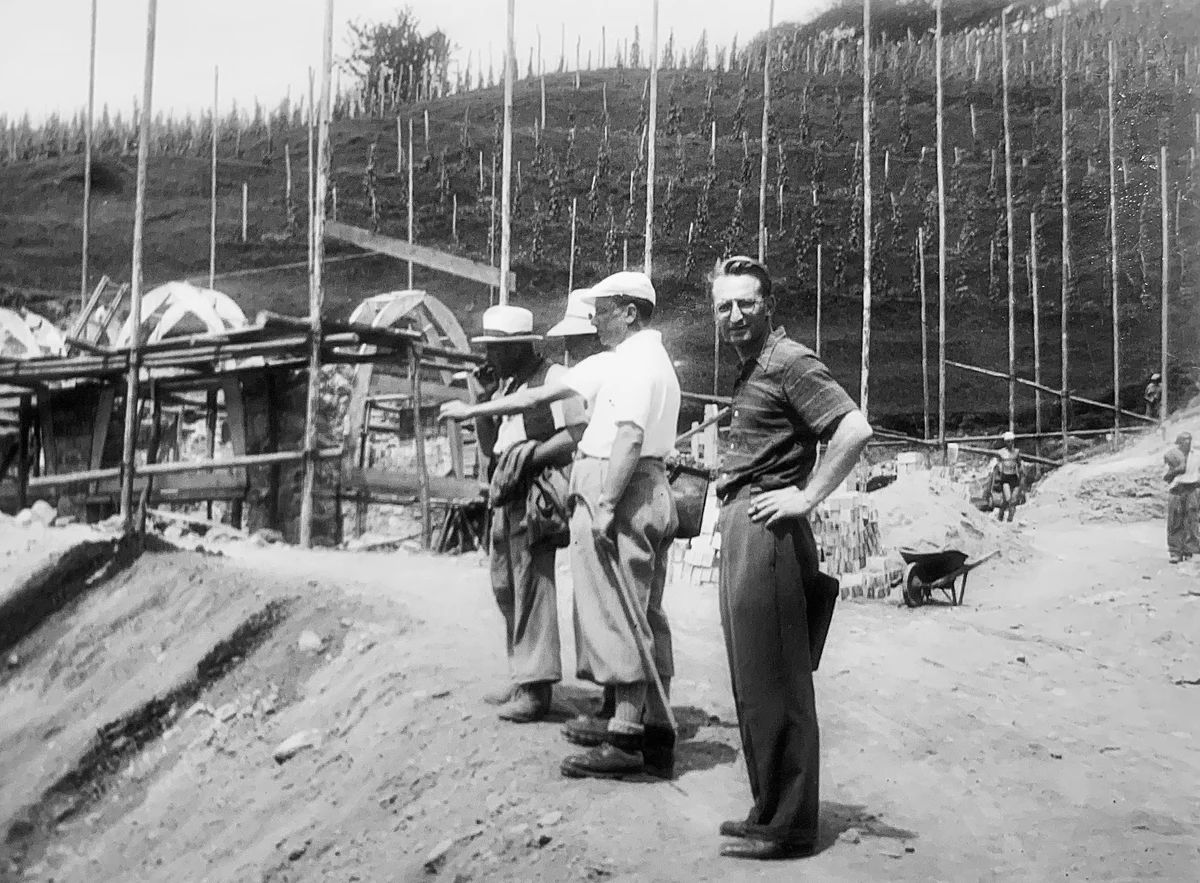
Beginning in the 1930s, the engineer Massimo Gianini establishes a farm by consolidating approximately 500 plots of land. Together with the original 170 hectares, these form one of Ticino’s most extensive estates. The farm’s name is taken from the property’s location on the promontory of Mount Arbostora, surrounded on three sides by Lake Ceresio (also known as Lake Lugano). For more than 15 years, between 1930 and 1945, the entire area undergoes major land reclamation to permit mixed agricultural development: 22 kilometres of roads, pathways and stone farmhouses are created along with two large farm buildings with stables. The vineyard is expanded and Alpe Vicania is born (see also 1941).
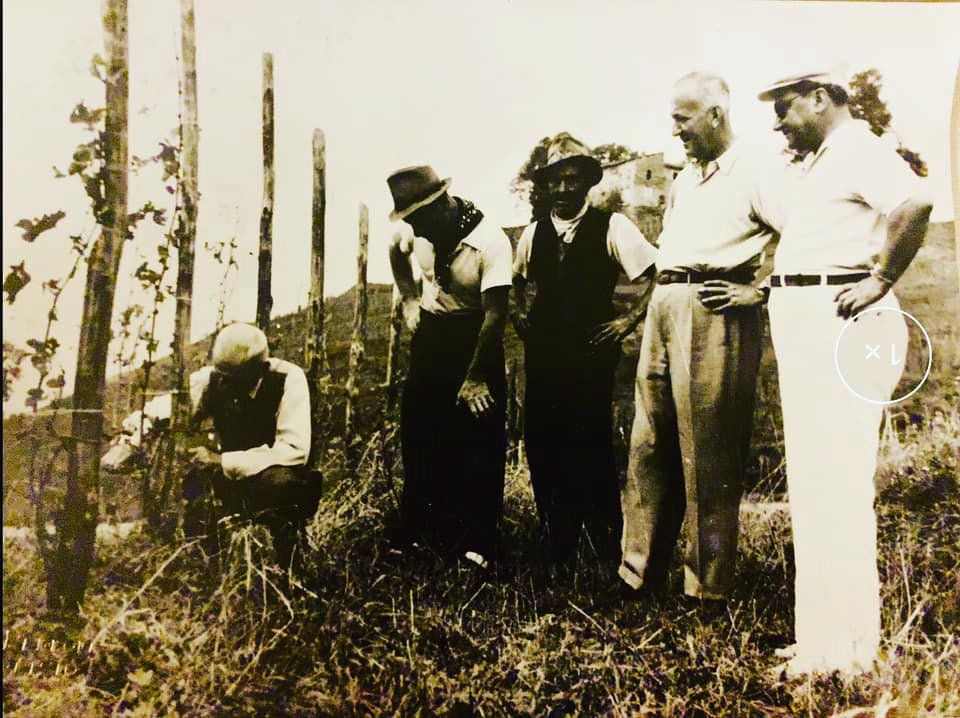
On the 20th of March, 1940, Massimo Gianini acquires the ruins of the castle together with its surrounding lands from Giuseppe and Giorgio Paleari, brothers who are the last male heirs of the Paleari family. Massimo Gianini begins a restoration project to preserve the fortress. These works continue for almost 20 years in an effort to document in great detail and faithfully maintain the site’s historic structure.
The vineyard in the 1940s.
Under the expert leadership of Giuseppe Paleari, the castle’s immediate surroundings are terraced to become a 10-hectare vineyard planted mainly with Merlot. Commercial production begins under the VITI (Viti Ticino) brand, synonymous with excellence, which identifies the best Ticino wines produced by the Merlot vine.
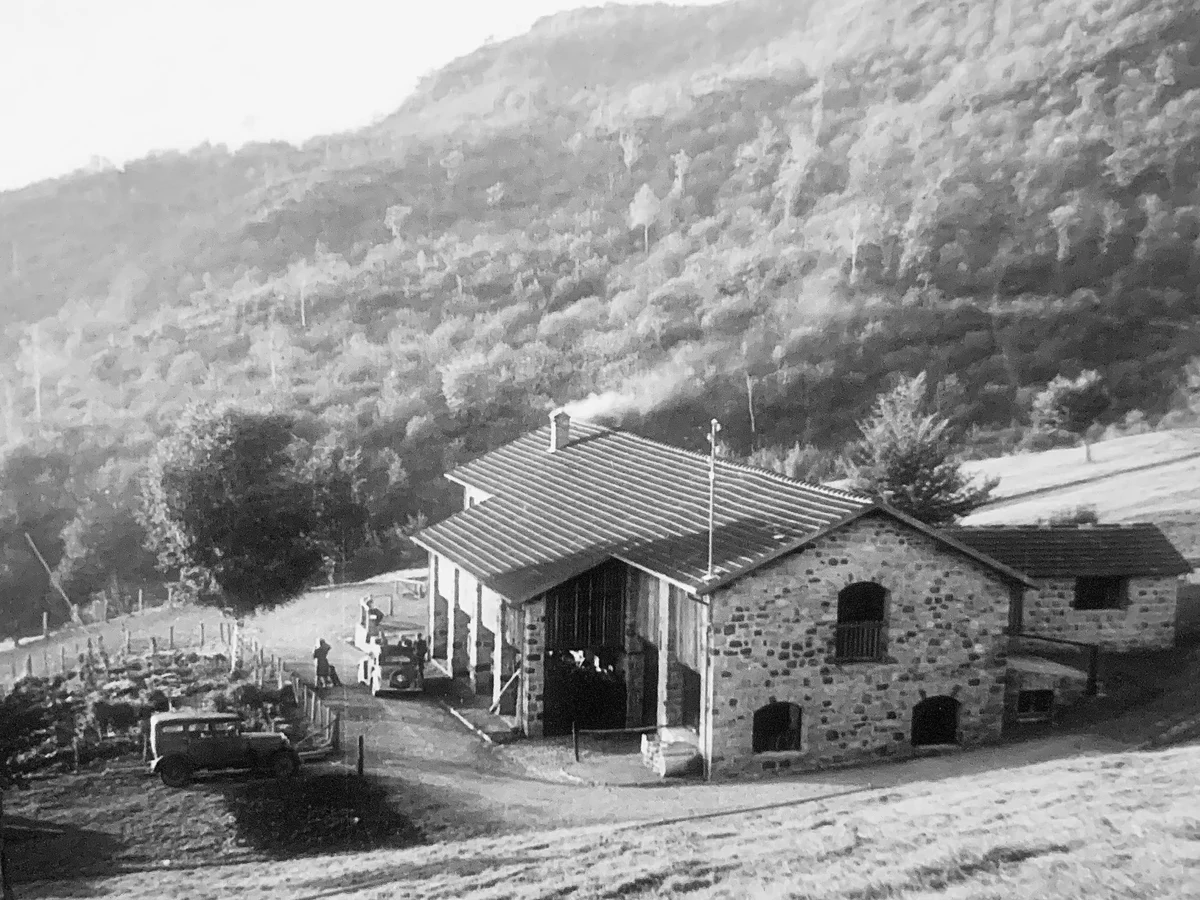
Work is undertaken between the summer of 1941 and the end of 1942 to clear 17 hectares of forest land along the slopes of Mount Arbostora for the creation of an Alpine pasture. This project is carried out thanks to the work of a hundred Polish refugees welcomed by Switzerland during World War II. A farmhouse with stable and barn is built at the centre of the pasture.
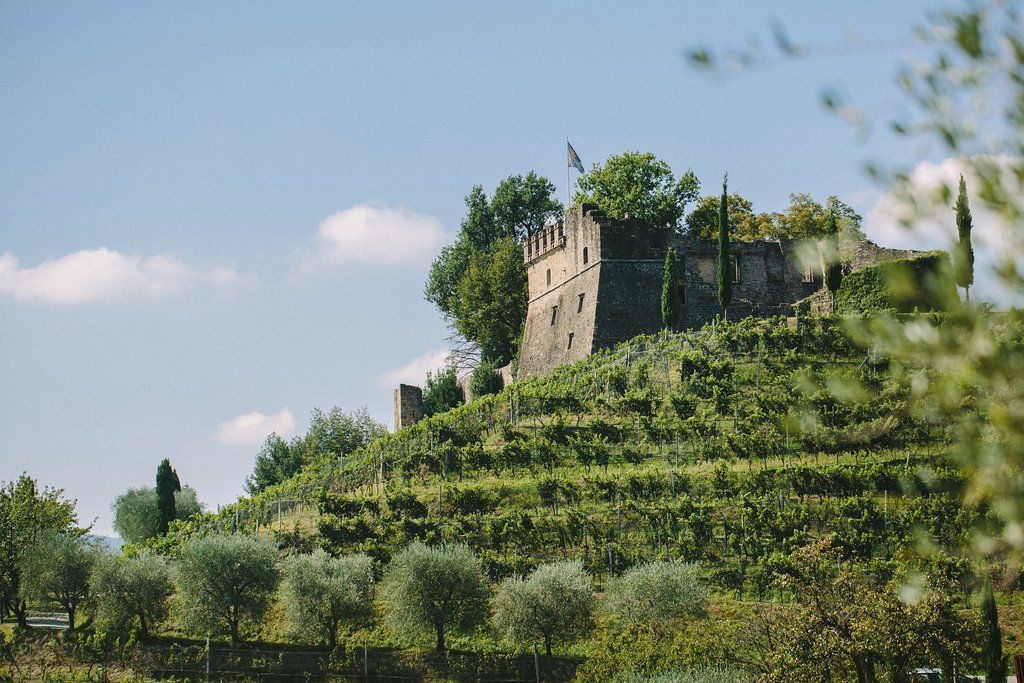
Deemed to be no longer suitable for modern winemaking, most of the old vineyard is uprooted during the 1970s.
In 1989, a new vineyard is replanted with around 23,000 rooted Merlot grafts together with a section of Cabernet franc and Cabernet sauvignon, later expanded to include a Chardonnay planting.
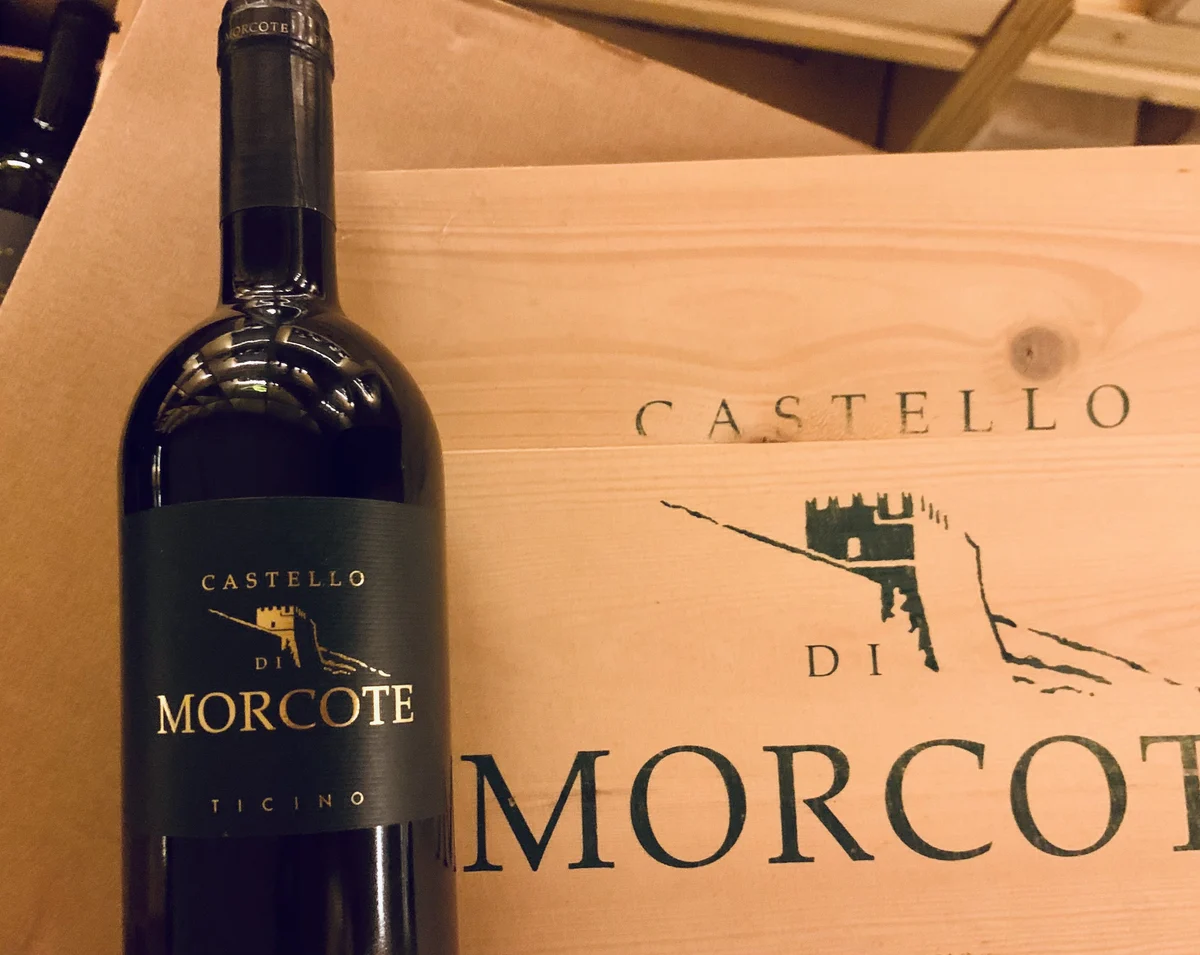
Approximately 80 years after the first wines bottled by Giuseppe Paleari, the Gianini family reinstates the production of Castello di Morcote.
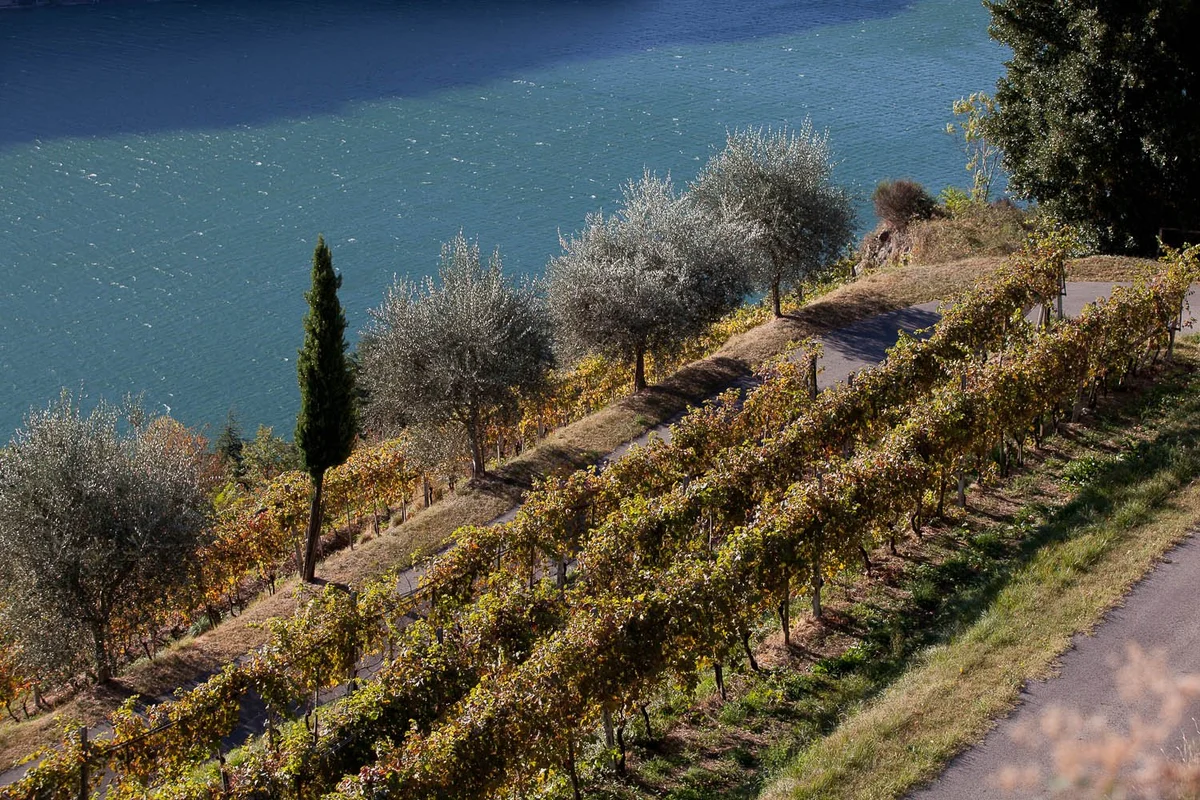
Gaby, granddaughter of the engineer Massimo Gianini, starts to work at her grandfather’s estate by introducing beekeeping and creating an olive grove. 150 olive trees of the Frantoio and Pendolino cultivars are planted for the production of the castle’s extra-virgin olive oil.
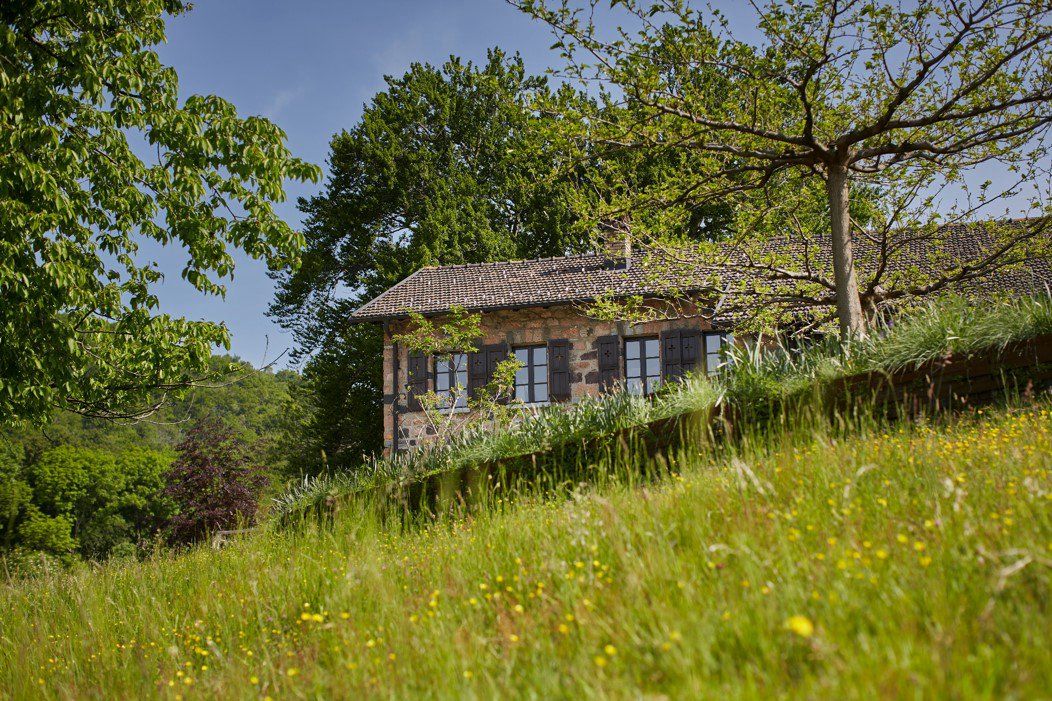
The old stone farmhouse and stable, built in the 1940s, are renovated with respect for the original shape and materials and converted into the Restaurant Vicania.
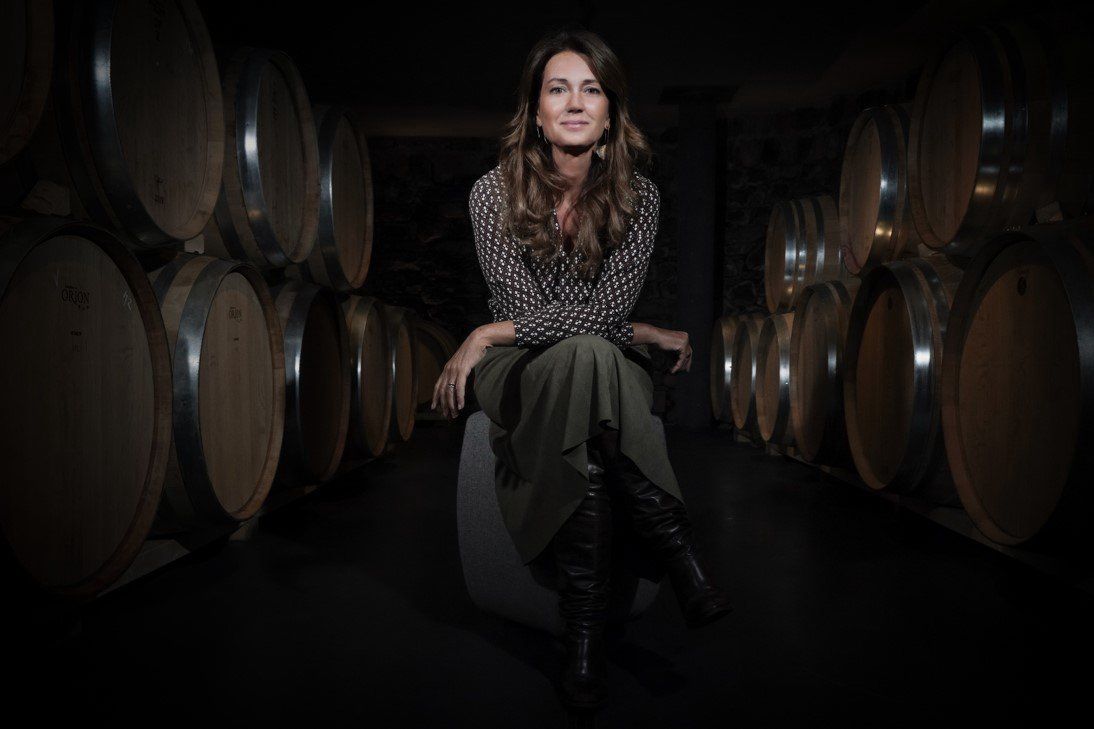
With great determination and assisted by oenologist Michele Conceprio, Gaby Gianini adds new momentum to the production of Tenuta Castello di Morcote wine. Gaby creates new labels and markets them both nationally and internationally. Recognized by the sector’s most important journalists and critics, these wines gain in prestige.
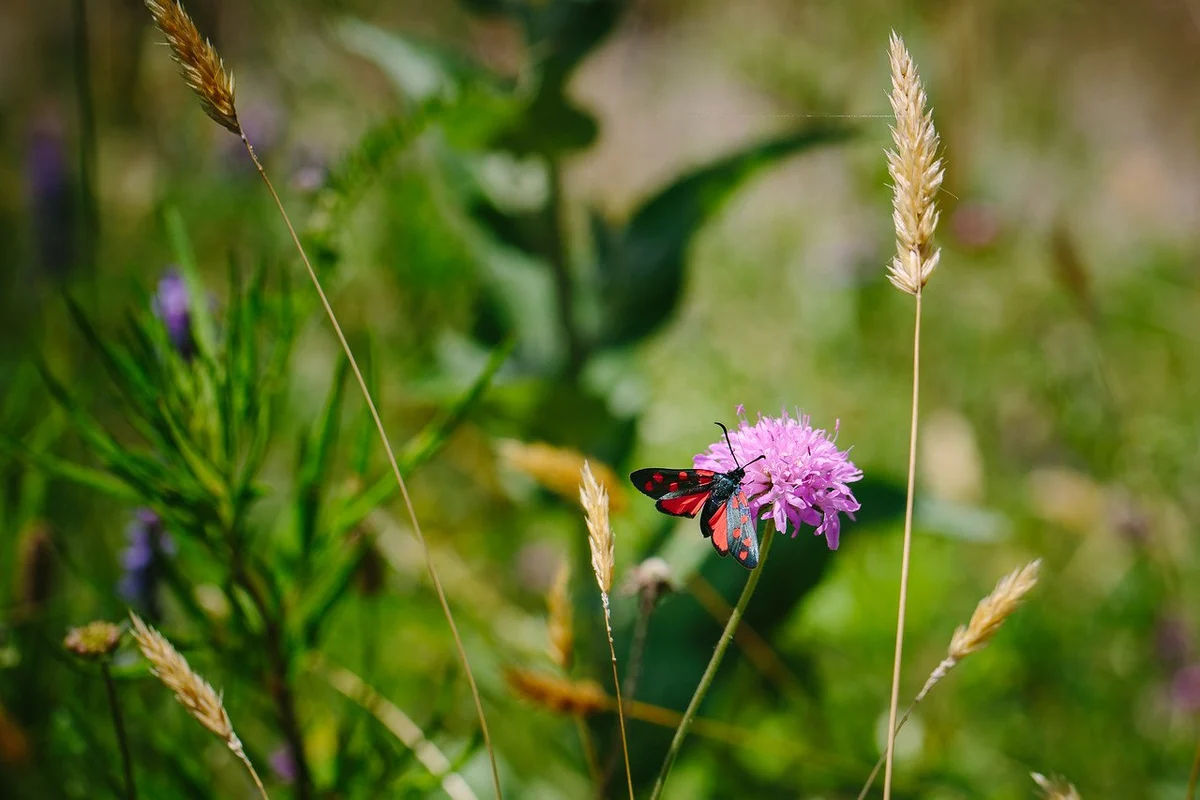
In 2014, discussion is focussed on converting the Morcote vineyard to organic production. The decision to banish chemical products and artificial fertilisers is intended to preserve the marvellous natural environment of the Arbostora promontory for as long as possible. In 2017 the vineyard obtains federal organic certification.
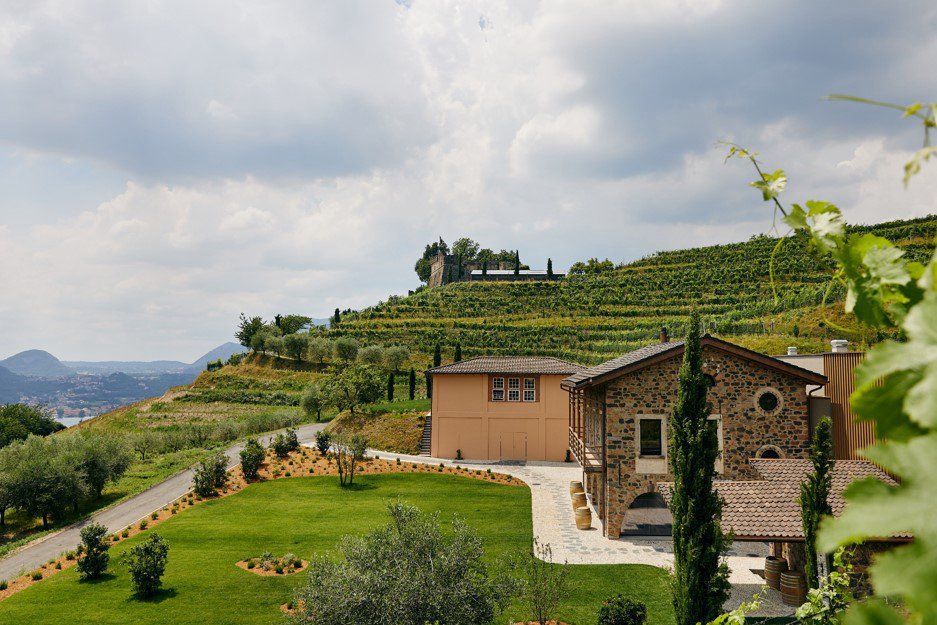
The restoration of one of the farm buildings with stable built in the 1940s results in the establishment of a new wine cellar at the very centre of the estate. Designed around the concept of sustainability, it is entirely powered by solar energy.
**Mendrisiotto vineyards**\ New vineyards in the Mendrisiotto are acquired. This region is home to Gaby’s husband, Maurizio Merlo, who begins to work alongside her in the company.
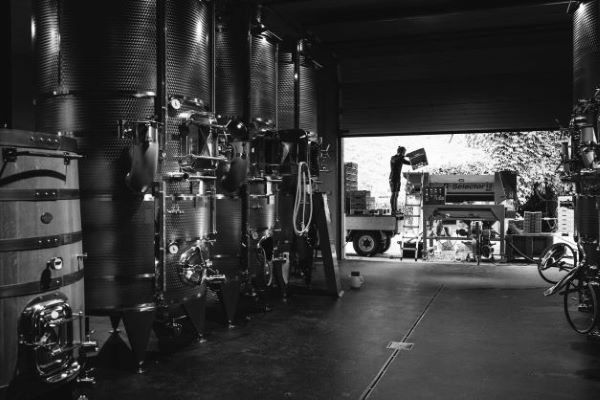
The grapes from the 2020 harvest are vinified in the new cellar by our oenologist Benedetta Molteni.
In the vineyard, biodynamic principles begin to be applied.
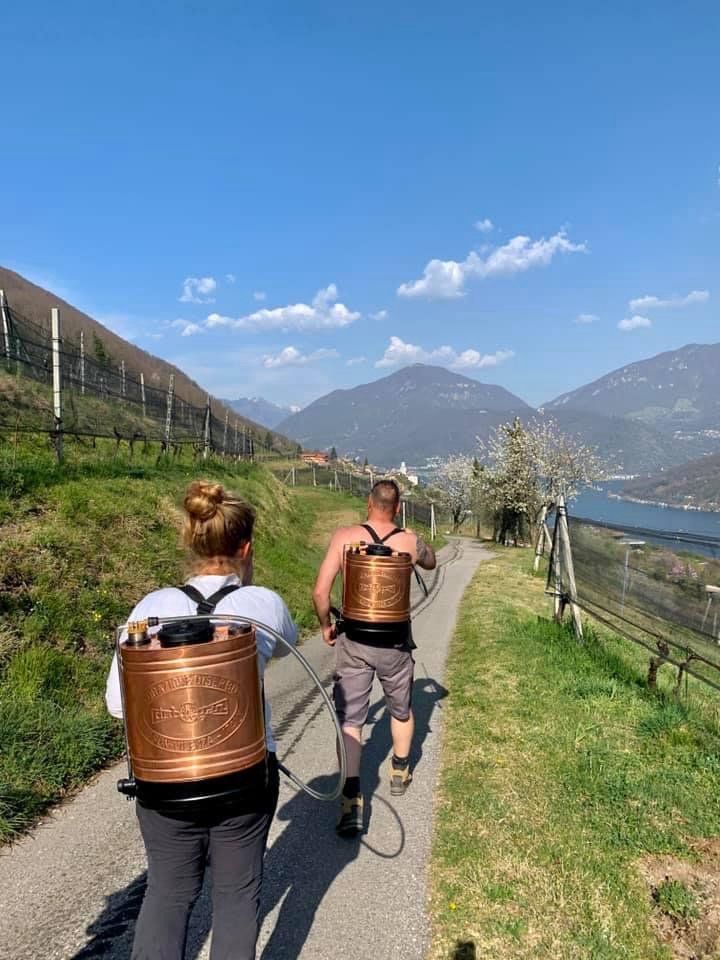
Our wonderful adventure continues, with many new projects in our hearts and new challenges to face, ever more convinced that the choice of sustainability and respect for Nature was the right one.
Newsletter
Compilando il formulario riceverai la nostra newsletter cartacea due volte l'anno.